Showing posts with label gold. Show all posts

21/09/2016

Cordial waters and alchemy


One of the highlights of the "Gold and gems" temporary exhibition currently on show at the History of Pharmacy Collection in Cluj-Napoca is the recreation of cordials and a discussion on how they were produced. 

Cordial waters were based on the idea of the alchemists’ Aurum potabile, pure gold liquefied according to secret methods, considered universal medicine (panaceum) and a true Elixir of Life. Alchemists believed gold to be a pure substance, thus its consumption could only benefit the body. Still, some 15th-16th c. texts mention intoxications with gold and even deaths.

Cordial waters imitated the properties of that noble metal. Their golden color was obtained with saffron (Crocus sativus, the most expensive of spices, as each flower only has three stigmata), but the most expensive variants also contained flecks of gold.

Recreation of cordial water containing saffron and gold flecks

Crocus sativus flower,
Another connection to alchemy is that cordials contained alcohol, obtained through distillation in the alembic and the retort, two of the typical instruments of the alchemists. The alembic had three parts: the curcubit, the heated still pot containing the liquid to be distilled, the ambic, which fits over the mouth of the cucurbit to receive the vapors, with an attached downward-sloping "tube" and the receiving kabila. Retorts have the ambic and the cucurbit made into one.
Alembic and retort in the reconstructed laboratory of the History of Pharmacy Collection in Cluj-Napoca


12/09/2016

Black powder against epilepsy


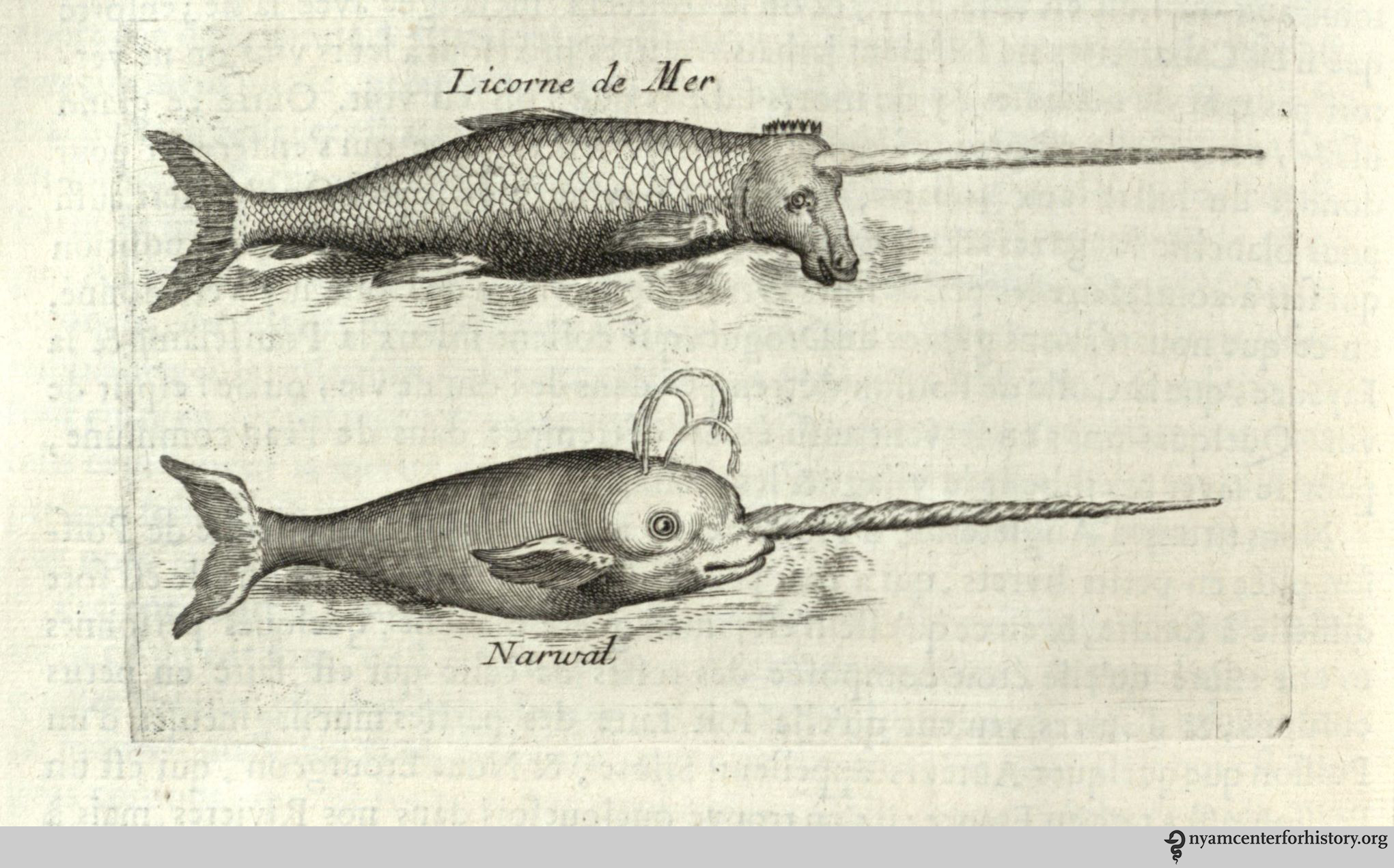
One of the exhibits of the temporary exhibition "Gold and gems" at the History of Pharmacy Collection in Cluj is a wooden apothecary jar from the beginning of the 19th c, with the signature PULV: EPILEPT: NIG: (i.e. in Latin Pulvis epilepticus niger). The product contained various plants (mainly peony), linden charcoal (thus the name and the black color), but also red coral, white amber, narwhal tusk (“sea unicorn”) and sometimes mother of pearl, pearls, and gold.
The product and features for example in the correspondence of the Mozarts. Though the name of the apothecary powder indicates that it was used against epilepsy, similar "black powders" were also used in the 18th and 19th centuries in Europe against fever, shivers, convulsions, colic pains, and nightmares.

 Image result for narwhal apothecary


08/09/2016

Homeopathy, Transylvania and precious metals

Samuel Hahnemann, founder of homeopathy, was active in Sibiu / Hermannstadt between 1777 and 1779, as physician, librarian and secretary of Baron Samuel von Brukenthal, Governor of Transylvania. A rich collection of homeopathic small chests, bottles and prescriptions is understandably presented at the History of Pharmacy Museum of that Saxon town in Transylvania. The Gold and gems exhibition at the second such collection in Transylvania, the one in Cluj-Napoca, includes two apothecary bottles for dilutions of gold and silver, used to cure various disorders, especially mental ones. The exhibits are part of a nineteenth-century homeopathic set. Aurum met(allicum) was used in the treatment of many conditions, mostly mental disorders such as depression. Argentum nitr(icum) was used as disinfectant, against nervousness and women’s problems.


01/09/2016

Precious apothecary ingredients

The new temporary exhibition at the History of Pharmacy Collection in Cluj, entitled "Gold and gems", is actually about many other interesting fact about the history of pharmacy, alchemy and snobbery. It tells the story of gold, silver, and gem powder as universal medicines, of the advantages of gilding or silvering pills, of black epileptic powders that contained precious red coral, mother of pearl and crushed narwal tusk, of alcoholic tonics that contained saffron and flecks of gold, but also of ingredients making reference to precious metals, such as Orpiment (arsenic yellow powder) and the Golden citrus (bitter orange).
Don't miss the exhibition that will be open until the end of this year.

Cordial waters contained saffron and flecks of gold

Crocus sativus or Saffron Crocus, the most expensive of spices, reaching the price of gold

The Gold Pigment - Orpiment

Gold leaf and Avicenna's pills

Gold and silver uses in homeopathy - a theory born in Transylvania